The context
At Alico, operators are 65% of the workforce, and their training was done through in-person talks and workshops: methods that interrupt production, require moving away from the work area and depend on each instructor’s judgment, at around 10 hours a year per operator. The innovation team wondered whether extended reality could rethink that model, and that became my internship project: answer the question with method, not intuition.
The key design decision
Invert the commute: instead of taking the operator to the training, take the training to the workstation with a Meta Quest 3s headset. And instead of creating content from scratch, adapt a course that already existed and worked: “Planeta SST”, from the company’s learning platform. The shift was from passive learning (watching videos on a PC) to active, immersive learning.
The process
I followed the full Design Thinking cycle, using the innovation team’s toolbox:
Empathize. Semi-structured interviews with the Occupational Health and Safety, Learning and Development, and TPM teams.
Define. The findings were synthesized into focal points: bring the training to the workstation so production doesn’t stop, standardize the content and keep the sessions short and flexible. The company’s risk matrix showed that 374 of the 569 identified risks belonged to the categories chosen for the prototype: the scope wasn’t arbitrary.
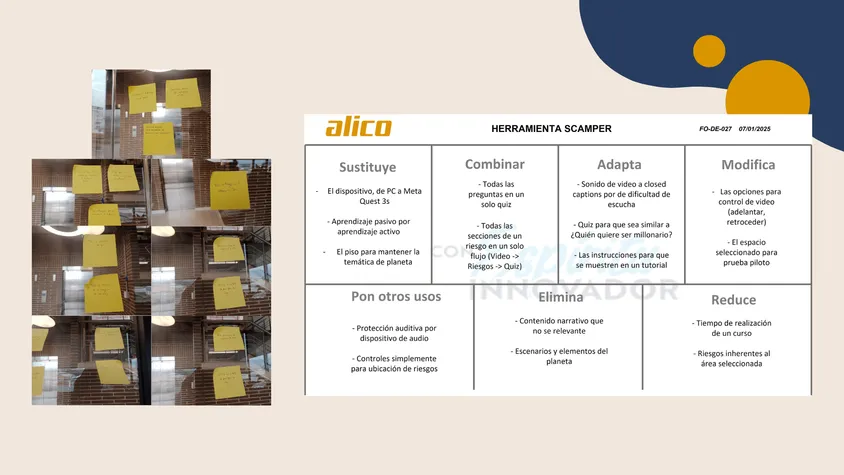
Ideate. With the SCAMPER technique we defined the course’s transformations: from the PC to the headset, from passive to active learning, a unified quiz with a game show dynamic, subtitles because of how hard it is to hear on the plant floor.
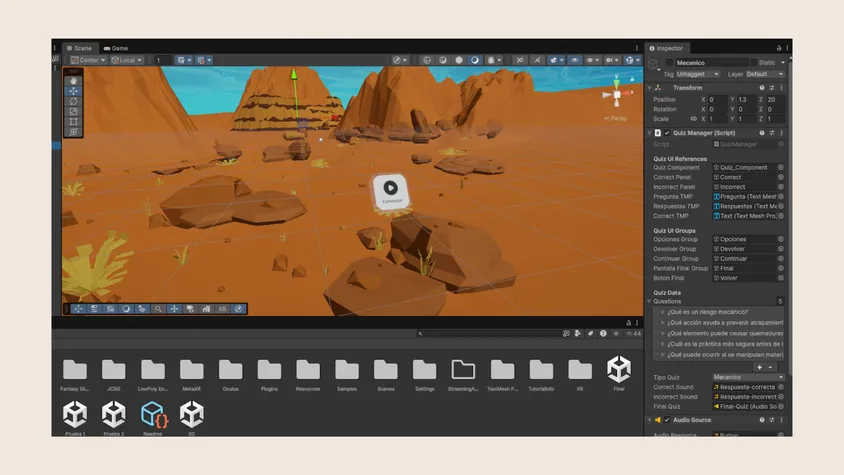
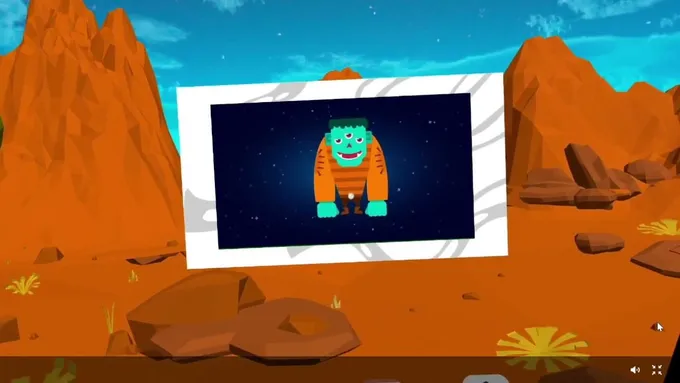
Prototype. A medium-fidelity prototype in Unity: the risk characters from the original course (housekeeping risk, physical load, mechanical risk) now live in an immersive environment with real footage of the plant, an interactive quiz, a tracking dashboard in Looker Studio and data automation with n8n.
Validate. A walkthrough of the prototype with 9 company employees, evaluated with the same satisfaction survey used by the corporate learning platform.
The outcome
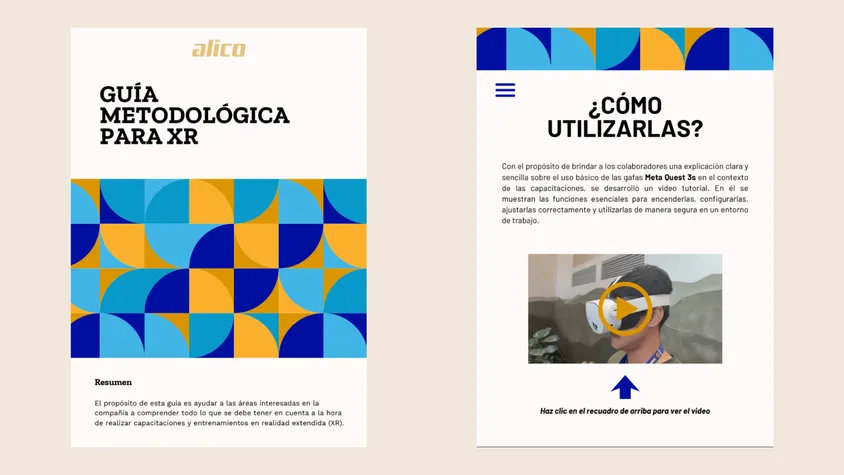
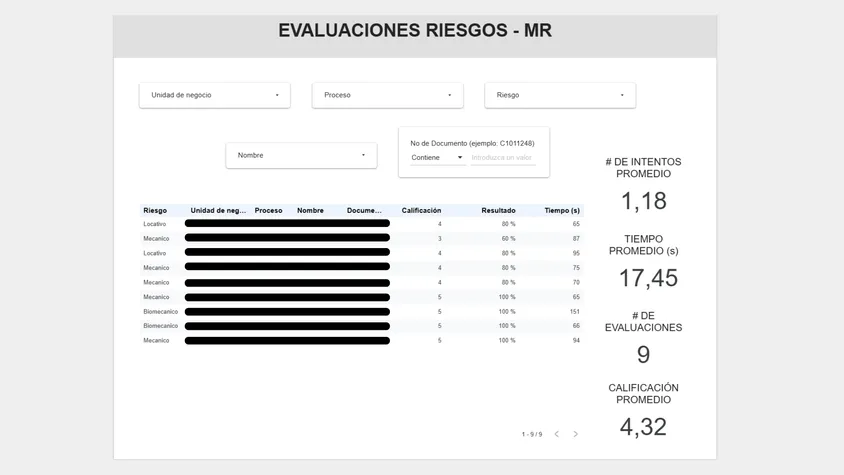
The mini-course is completed in 5 minutes on average. The average score on the assessments was 4.32 and overall satisfaction, 4.9/5. All participants strongly agreed that the course was practical and understandable, and 8 out of 9 that the navigation was simple. The project closed with the delivery of the methodological guide: a document that steers how to implement extended reality in the organization’s training, beyond this prototype.
What I learned
This project let me put everything I learned in my degree into practice in an organizational setting with real challenges: user research, prototyping, disruptive thinking. And it gave me clarity about the kind of projects I want to keep growing in: where research and technology meet to change how people work.